Why Equipment Support Matters After Installation
Installation is only one part of an equipment lifecycle. Ongoing technical support can help teams address operational and maintenance requirements over time.
Article Metadata
- Category:
- Technical Support
- Published:
- 2026.08.28
- Reading Time:
- 6 min
- Publisher:
- Medinator Editorial
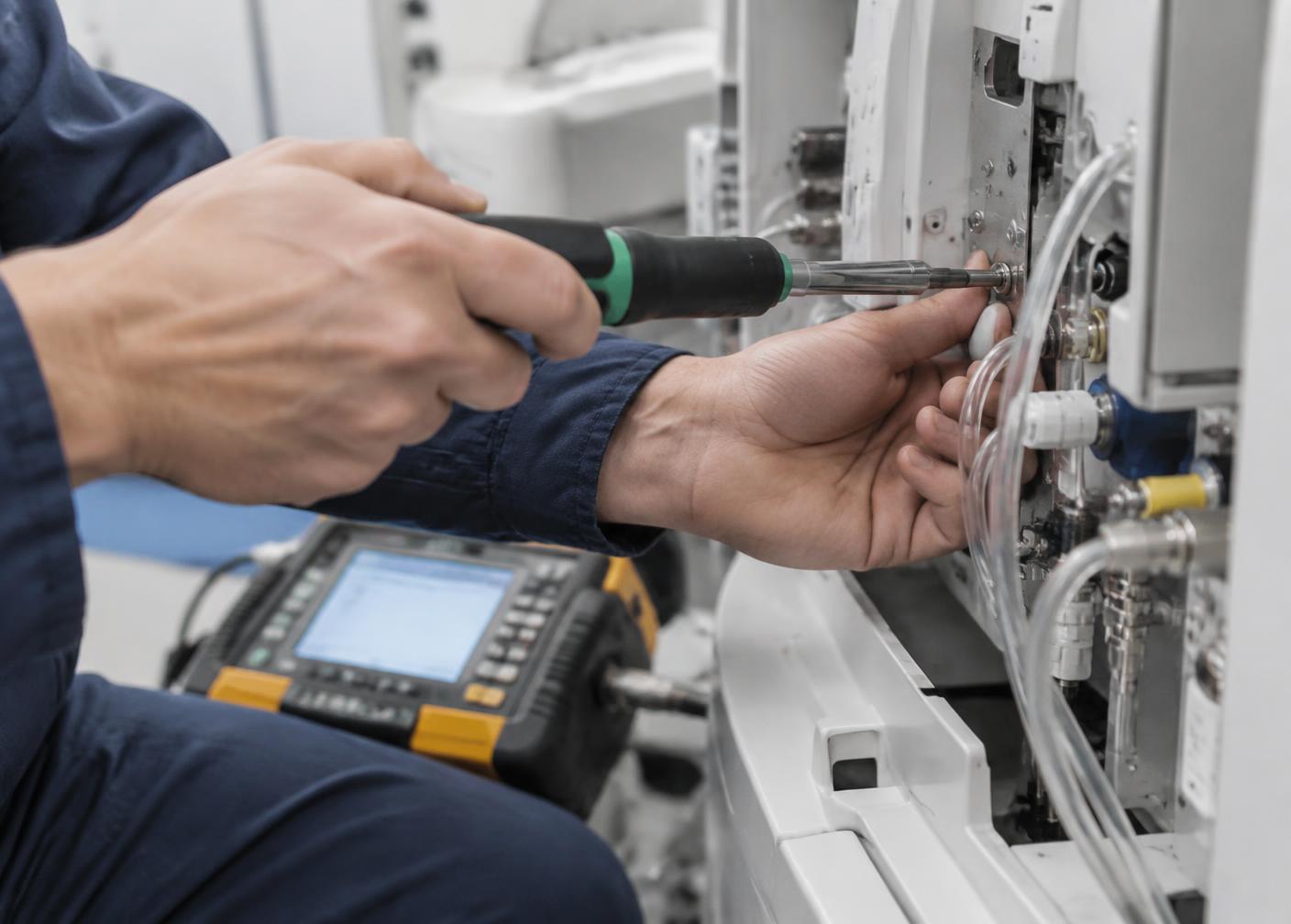
While acquiring state-of-the-art medical equipment is a key milestone, long-term clinical utility depends entirely on post-installation technical backing and preventive care.
01 / Overcoming the Post-Commissioning Operational Gap
Following handover, clinical staff often encounter operational nuances or configuration preferences. Continuous technical support ensures questions are resolved quickly without downtime.
02 / Preventive Maintenance vs. Emergency Breakdown
Scheduled preventive maintenance inspections identify worn sensors, degraded seals, or calibration drift before equipment fails during active clinical use.
03 / Rapid Spare Parts & Local Biomedical Escalation
Having a dedicated supplier with local spare-part inventory and certified biomedical engineers reduces repair turnaround times from weeks to hours.
Key Evaluation Considerations
- Define response-time SLAs for emergency technical assistance.
- Keep digital logs of all maintenance and calibration visits.
- Schedule annual refresher orientation sessions for clinical staff.
Practical Procurement Takeaways
- →Structure long-term service agreements (AMC) at the time of equipment procurement.
- →Partner with suppliers who maintain local spare-part buffer stock.
Related Technical Insights
How to Evaluate Medical Equipment for a New Clinical Facility
A practical framework for comparing equipment requirements, applications, installation needs and long-term support before procurement.
What to Consider When Selecting Laboratory Equipment
Key considerations for application requirements, workflow, equipment configuration and operational support.
Designing an Efficient Operating Room Equipment Setup
Explore the role of equipment positioning, workflow, technical requirements and usability when planning a surgical environment.
Have questions about equipment requirements?
Talk directly with Medinator's equipment specialists for application advice, technical documentation, and pricing proposals.