
How to Evaluate Medical Equipment for a New Clinical Facility
A practical framework for comparing equipment requirements, applications, installation needs and long-term support before procurement.
Article Metadata
- Category:
- Equipment Guide
- Published:
- 2026.09.24
- Reading Time:
- 6 min
- Publisher:
- Medinator Editorial
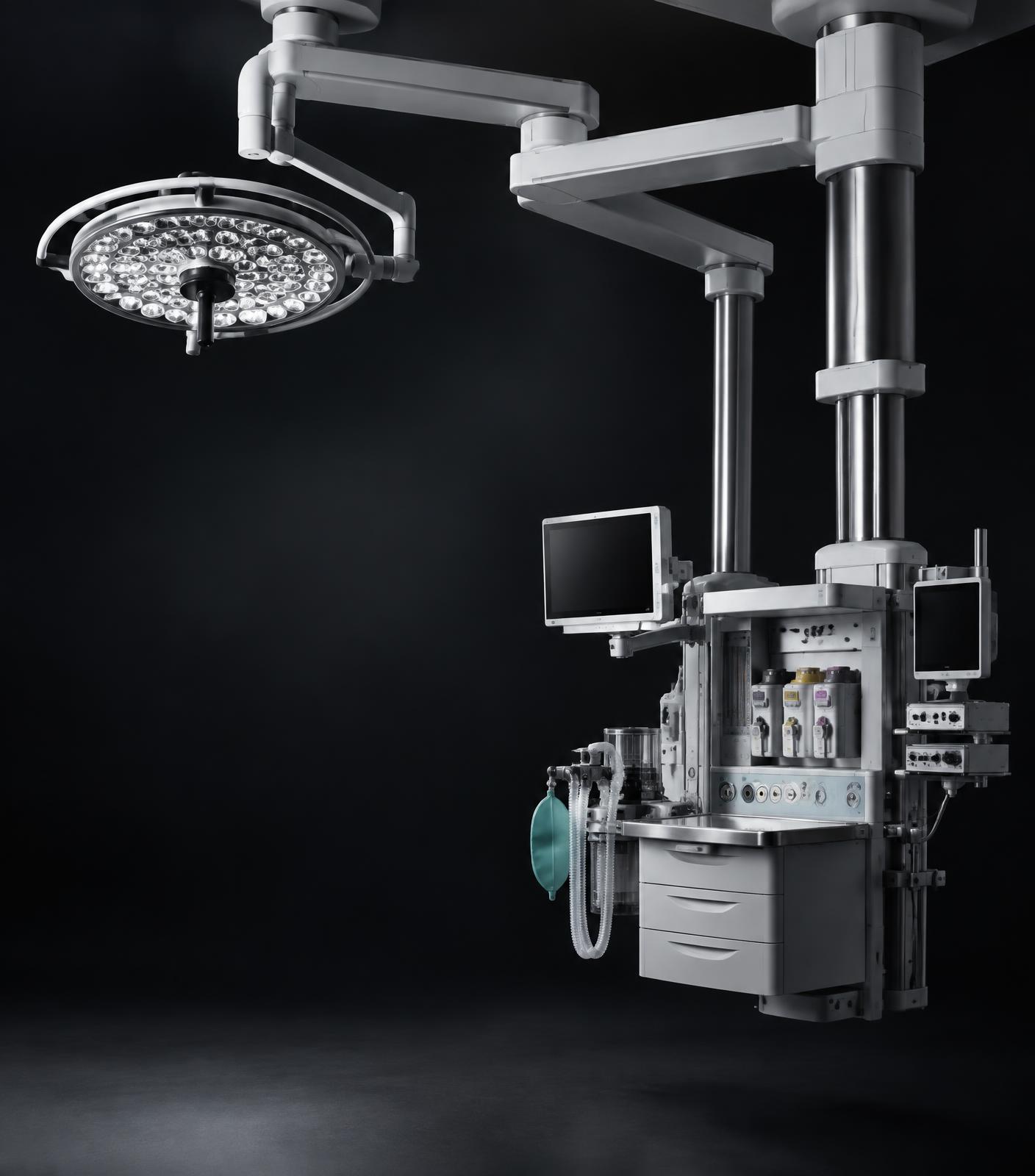
Selecting medical equipment for a new hospital wing or clinical department requires balancing clinical performance, facility electrical/gas prerequisites, staff operational familiarity, and ongoing service support.
01 / Clinical Application & Scope Mapping
Before evaluating technical specifications, clinical leaders and procurement teams must define exact patient throughput, parameter requirements, and target workflows. Overspecifying features can add unnecessary complexity, while underspecifying limits future expansion.
02 / Facility Infrastructure & Site Readiness
Modern medical devices depend heavily on site prerequisites—including isolated power grounding, medical gas outlet positioning, and room HVAC ventilation rates. Conducting early site surveys prevents costly installation delays.
03 / Commissioning & Regulatory Compliance
Ensure all proposed equipment comes with verified compliance documentation (such as ISO 13485 and electrical safety certifications). Acceptance testing protocols should be agreed upon prior to delivery.
04 / Total Lifecycle Support & Maintenance SLAs
Equipment procurement is only the first step. Long-term operational success relies on spare parts availability, local biomedical engineer response times, and scheduled preventive maintenance.
Key Evaluation Considerations
- Define clinical throughput and parameter requirements clearly.
- Verify electrical, medical gas, and room footprint prerequisites.
- Evaluate total cost of ownership including maintenance agreements and consumables.
Practical Procurement Takeaways
- →Involve biomedical engineering teams alongside procurement early in the evaluation process.
- →Request full technical datasheets and installation manuals before issuing purchase orders.
Related Technical Insights
What to Consider When Selecting Laboratory Equipment
Key considerations for application requirements, workflow, equipment configuration and operational support.
Designing an Efficient Operating Room Equipment Setup
Explore the role of equipment positioning, workflow, technical requirements and usability when planning a surgical environment.
Why Equipment Support Matters After Installation
Installation is only one part of an equipment lifecycle. Ongoing technical support can help teams address operational and maintenance requirements over time.
Have questions about equipment requirements?
Talk directly with Medinator's equipment specialists for application advice, technical documentation, and pricing proposals.